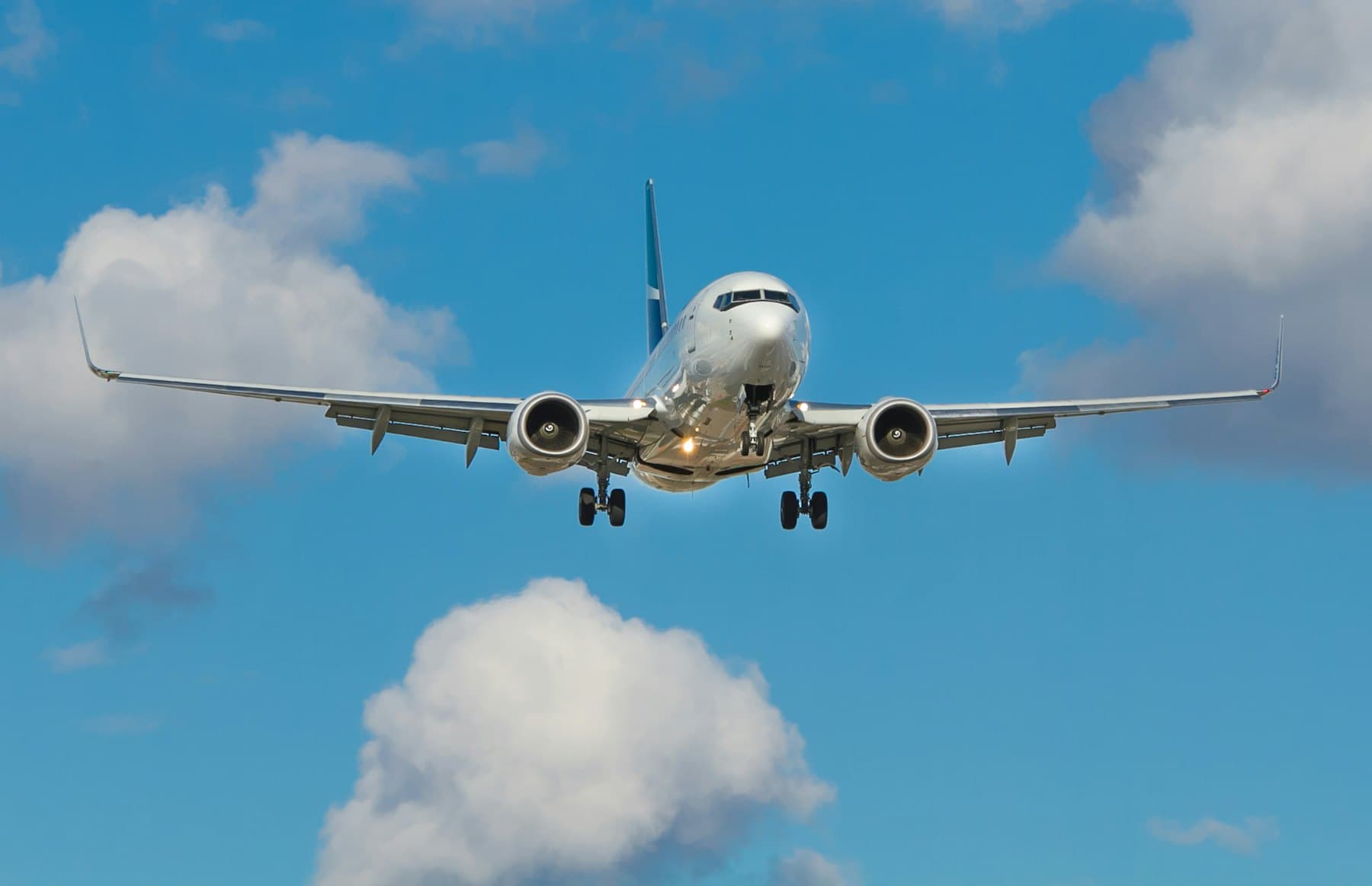
You can already fly.
This is the rest of it.
Nobody is going to stop you flying here on your first evening. The ladder exists so that instrument flying, long haul and oceanic work are things you get taught rather than things you guess at while somebody waits on the frequency.
- SPL as soon as the introductory course is done
- Any simulator, any aircraft
- Nothing to buy at any stage
What flying here asks of you
Three things, and none of them is being good at landing. The network works because people fly predictably, not because they fly well.
Fly it the way it is written
A filed route, a real procedure and a clearance you read back. Nothing about this network requires perfection, but everything about it assumes you are trying to fly the aircraft rather than teleport it.
Talk to somebody
The difference between flying alone and flying here is that a person answers. Learning what to say, and when to say nothing, is most of what the early licences teach.
Fit into a sequence
You are one of a dozen aircraft that all want the same runway. Holding a speed, accepting a turn and getting down when asked is what keeps the whole thing moving.
The four licences
Each one is a check flight rather than an exam, and each assumes you can already do the one below it. The hours are what people typically log getting there, not a quota to fill. Walk the ladder with the arrow keys, or pick a rung.
SPLStep 1 of 4
Student Pilot Licence
Fly anywhere on the network in visual conditions, with a mentor on the frequency if you want one. Awarded on completing the introductory course.
- Typical aircraft
- Single engine light aircraft
- The check flight
- The introductory course. There is no check flight before it.
- Hours, roughly
- None
A handful of circuits, one cross country leg, and a controller you have spoken to without freezing.
What the first few flights are like
Nothing here is an assessment. This is simply the order most people end up doing things in.
You fly a circuit
One runway, one aircraft, one controller. You take off, turn left four times and land, and somebody talks you through every call before you have to make it.
You go somewhere
A short leg to a field an hour away, with a clearance to read back and a frequency change halfway. The first time you get handed to a new controller and it just works is the point most people are hooked.
You file properly
A real route, a real departure procedure and a real arrival. From here it is the same job at increasing distance, which is what the rest of the ladder is.
Endorsements
Sideways rather than upward. None of these is above ATPL, and one of them can be held long before it.
- OCN
Oceanic
TaughtThe North Atlantic tracks and the other oceanic structures, where there is no radar and you report your position rather than being watched.
Entry conditions, Mach number technique and a track message that has to be read properly. Getting it wrong is not dangerous here, but it is obvious to everybody on the frequency.
CPL, and one crossing flown alongside somebody who has done it.
- MIL
Military operations
TaughtFormation flying, air to air refuelling and the low level structure, on the events that call for it.
Different phraseology, different separation, and a controller who needs to know what you are actually going to do.
PPL, and an interest in the subject. Taught on request rather than on a schedule.
- SPO
Special operations
On requestSearch and rescue, medevac and the scripted scenarios that run alongside some events.
Priority handling only works if the person asking for it knows when they are entitled to it.
Any licence above SPL. Currently run as one off briefings.
Teaching it
- CFI
Certified flight instructor
Flies alongside a member working towards a licence, and talks them through the parts a manual cannot.
CPL or above, and a course on instructing rather than on flying.
- CFE
Certified flight examiner
Conducts the check flight that grants a licence.
CFI held, plus time spent instructing. Appointed rather than applied for.
Questions people actually ask
Do I need to have flown online before?
No. The introductory course grants an SPL, and the first licence above it is a cross country leg rather than an exam. Most people fly a handful of circuits first and never tell anybody they were nervous.
Which simulator do I need?
Any of the current ones. The client that connects it to the network is free, and what you fly matters far less than whether you can hold a heading and a level.
Do I have to hold a licence to fly here?
The introductory course gives you an SPL, and that is enough to fly anywhere on the network in visual conditions. The ladder above it exists so that instrument and long haul flying are taught rather than assumed.
What if there is no controller online?
Then you fly uncontrolled, announce your intentions on the common frequency and use your judgement. Most flying on any network happens without a controller, and that is normal rather than a fault.
Can I train as a pilot and a controller at once?
Yes, and it is the fastest way to get good at either. The two ladders are separate and progress on one does not affect the other.
What happens if I get lost or make a mess of it?
You say so. Controllers on this network would far rather sort out a problem early than watch somebody quietly fly into the wrong sector. Nothing is broken and nobody is harmed.
File something short.
An hour to a field you have never been to is enough to find out whether any of this is for you.